Showing posts with label Grand Cru. Show all posts

Saturday, April 15, 2023

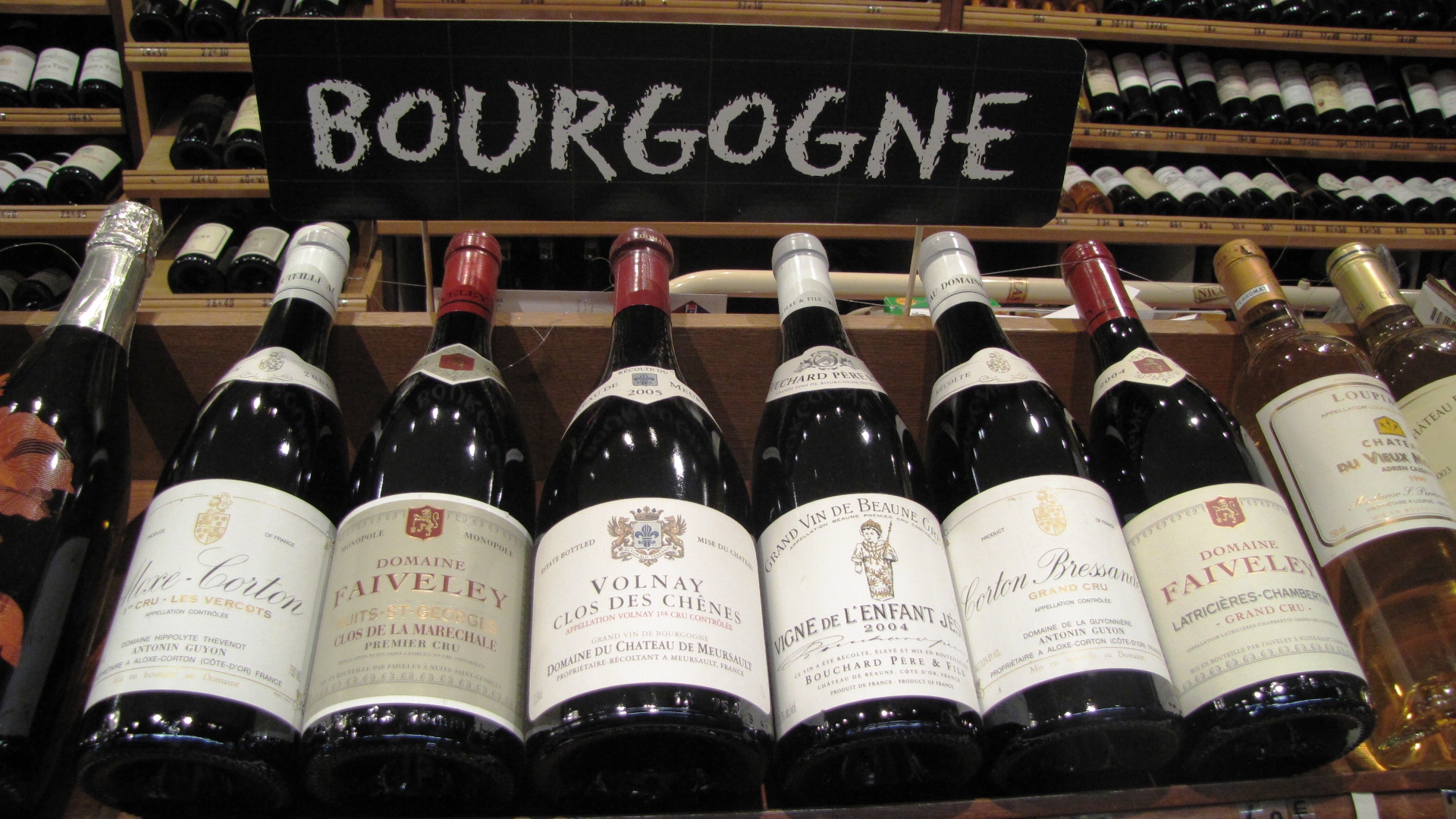
Decoding Burgundy’s Strange Wine Labels


This is the second in a three-part series on Burgundy (Bourgogne). 


It sounds unthinkable to Americans, but Burgundy does not mention the grape variety anywhere on their wine labels.   If it’s a white wine in Burgundy, then it’s a Chardonnay; if the wine is red, the variety is Pinot Noir.   So, if the grape isn’t listed what is printed on the label to tell the consumer what is inside this bottle pricey wine?   

The parcel of land (Corton-Charlemagne) & its hierarchy (Grand Cru) inform the consumer 

The most important prerequisite to Burgundian winemakers is the plot of earth in which the grapes are grown.   In the last blog, the concept of terroir was discussed in terms of the Middle Ages' monastic orders who analyzed every vineyard to determine which plots of earth produced the best grapes and why.   A thousand years later, the concept of terroir is the most important thing on Burgundy's wine labels, hence, the grapes’ birthplace is often front and center on labels.

 The wine's birthplace (Clos Mouches vineyard) is often the 1st thing a consumer sees

The parcels which medieval monks determined consistently produced the best wines are now the Grand Cru vineyards of Burgundy.  For Burgundy lovers, Grand Crus such as Clos Vougeot, La Tâche, Romanée Conti, and Corton-Charlemange are the pinnacles.  Premier Cru, the second tier on Burgundy's quality ladder, is also displayed on labels.  With both Grand Cru and Premier Cru, however, the name of the actual vineyard takes center stage.

The last tidbit about Burgundy's different system of labeling, is that the name of the producer takes a back seat to the terroir and the wine’s hierarchy.  The star of the show is the terroir, and the winery is less important.

To learn more about Burgundy and its wines, we have a few spaces available for our harvest tour next year, September 2024.    Burgundy & Champagne – Wine-Knows Travel (wineknowstravel.com)


Tuesday, May 21, 2013

Small Village---BIG Reputation

                               Grand Cru vines snuggling up against Aloxe with the Corton hill beyond
                                               
Blink and you’d miss it if it were not for the massive hill of Corton looming above the tiny hamlet of Aloxe (pronounced Alosse).   Located in Burgundy’s illustrious Cote de Beaune, this village may be small (<200 inhabitants) but its reputation is colossal in the wine world.  Surrounded tightly by vineyards in all directions, Aloxe cannot grow much as the possibilities to build new housing are long gone---no one would ever consider ripping out a single vine in one of Burgundy’s most prized districts, referred to as Aloxe-Corton.

So what’s so special about Aloxe-Corton?  Everything.  This area produces, in my opinion, the epitome of both reds and whites.  For Burgundy, this means the crème de la crème of Pinot Noirs and Chardonnays.  The reds outnumber the whites by nearly 50 to 1, however, Chardonnay was not planted until the 19th century.

The entire village has been granted Grand Cru status.   Most Pinots are called “Corton,” the Chars mainly are referred to as  “Corton-Charlemagne”  (named after Emperor Charlemagne who granted the original lands for the vineyards in the 8th century).  This quiet little is village is the only one in all of Burgundy that produces Grand Cru reds and whites.  Need I say more? 

How does a Corton or Corton-Charlemagne differ from other Grand Cru Pinots and Chars from other districts of Burgundy?    The thing I most remember about the red Cortons that have passed through these lips is their silky texture, gorgeous complexity and elegant length of finish.  The Corton-Charlemagnes offer an intense fruit-mineral flavor profile and an exceptional “souvenir” (finish).   Regardless of wine,  I lean toward red typically and the red Corton is no exception.  It would definitely be a contender for my “last meal.”