Showing posts with label culinary spices. Show all posts

Tuesday, March 22, 2022

Tantalizing Turmeric

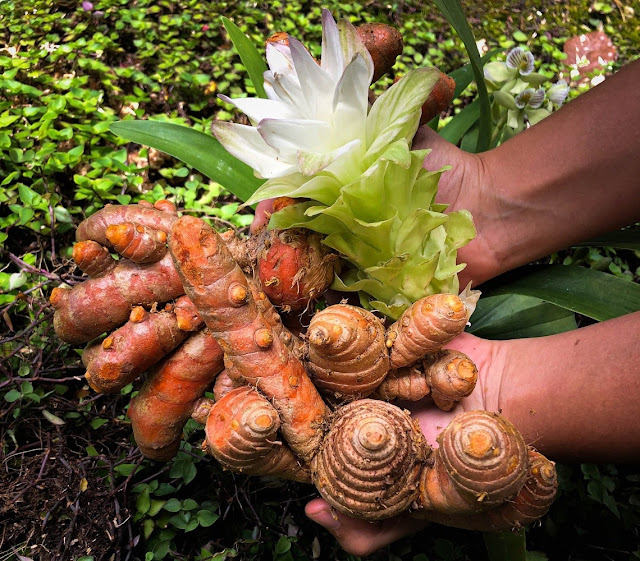
                                               Turmeric is the root of a flowering plant

Google turmeric and you’ll be presented with 62 million articles in a nano second.   Turmeric has recently been widely touted as a food supplement for its supposed anti-inflammatory properties.   This article, however, looks at turmeric solely from a culinary standpoint.

                                                   Ginger & turmeric are cousins 

Turmeric is a member of the ginger family.  It’s easy to see the familial resemblance between these two as fresh turmeric root looks similar to ginger root.  However, once peeled, the interior of these two is quite different in that turmeric is bright orange.   Most likely native to India, turmeric is what gives curry its vibrant yellow-orange color.

Turmeric is actually the quasi root of a flowering perennial plant.  It requires warm temperatures and lots of water.  The hot and humid weather of India and South Asia offer perfect conditions and turmeric grows wild in their forests.   It’s no wonder that the cuisines of both India and the countries of southern Asia are replete with recipes that utilize turmeric.   However, turmeric is also widely used in Middle Eastern cooking and North African recipes.
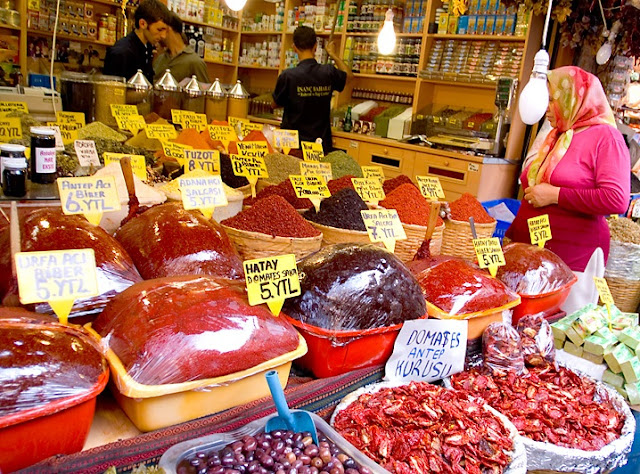
 

                             Many different turmerics are available in this Istanbul market 

Most turmeric is used in the form of a dried, ground powder to impart an intense color.  It is the principal ingredient in curry powders.  Turmeric gives not only color but provides a pungent earthy, mustard-like flavor.   Although used mostly in savory dishes, it is also used in sweet dishes such as ice-cream and baked products like cakes.  Similar to its cousin ginger, turmeric can also be used fresh in items such as Asian pickles.
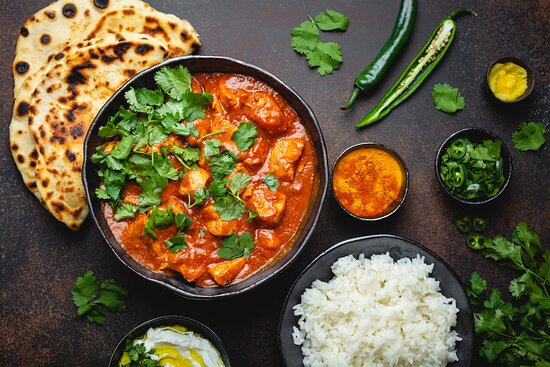
                         This crowd pleaser, Chicken tikka masala, is the turmeric bomb*

My favorite use of turmeric is in one of my most beloved recipes, chicken tikka masala:

 https://cafedelites.com/chicken-tikka-masala/


*compliments of TripAdvisor 

Friday, May 15, 2020

Garam Masala Vs Curry


              Fabulous chicken tikka masala (recipe below) uses both garam masala & curry spices

Both garam masala and curry are complex combinations of spices that are emblematic 
of Indian cuisine.   These two important spice blends, however, are used in many countries of the world beyond India----from the Middle East to Pakistan.   (Curries are even popular in Asia).  Garam masala and curry are often confused.  They serve much different purposes and are not interchangeable.

While curry and garam masala contain several common ingredients such as cumin, ginger and coriander, the key differences between these two is the fact that curry is turmeric-based.  Tumeric, a bright yellow-orange root, is the main ingredient in many curry blends.   It is responsible for the classic yellow-orange appearance of many curry dishes.   

Another difference is that garam masala has a sweeter taste than curry (although garam masala does not not a grain of sugar).  Looking at garam masala’s composition one can easily see what’s responsible for creating the illusion of sweetness:  pungent cinnamon, nutmeg, cloves and cardamom.   Fennel seeds also add to its sweet character with hints of licorice flavor.   Garam masala, however, has a multifaceted profile that extends beyond its sweet spicy nuances.  Pops of black pepper mix with perfume-like ginger, and aromatic mace to create a multi-layered symphony of flavors.

The last difference between these two spice blends is that garam masala is often added at the end of cooking to flavor so that it not only seasons the dish but adds aromatics.  In contrast, a curry spice blend is mostly used on the front end to impart deep flavor during the cooking process (e.g. marinating with curry spices prior to cooking significantly enhances flavors).  Curry is also frequently used to add complex flavors to a sauce that is cooked over a long period of time.

Below is my favorite Indian recipe.  This chicken dish uses both garam masala and a blend of curry spices.  I serve it with a brown rice/fresh spring pea mixture…and a dry Gewurztraminer.


Bon appetit!